
The Stories We Tell: Reflection on the Consortium for Congregational Vitality
For more than 40 years, St. Mark’s Episcopal Church in City Heights has been home for my family; My wife and I raised a child and a grandchild there, though we moved from City Heights back in 1985. We once lived just two blocks away and walked to church together on Christmas Eve. Today, rush-hour traffic can turn evenings into an hour-long drive, but fortunately, Saturday and Sunday are not rush hour. We’re invested in this community and hopeful about its future.
So, when I heard about the Congregational Vitality program and about the objectives, I was eager to participate. Our small church has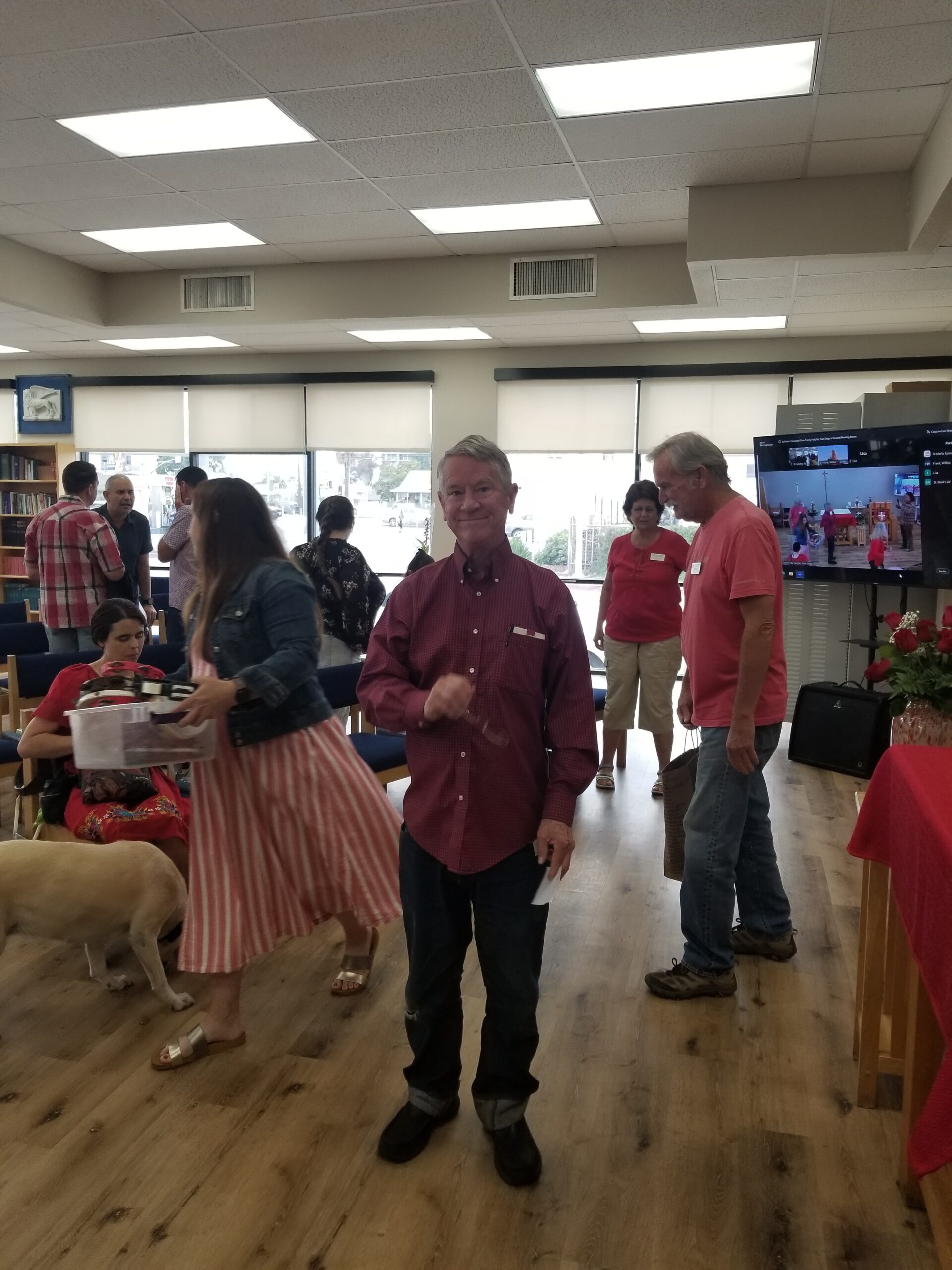 been pretty stable over the years, and the vestries have consistently wanted to double the size of the core, and this seemed like a great opportunity. But over the years of efforts, we haven’t doubled the core as we wanted.
The Consortium for Congregational Vitality (CCV) is a program that brought together congregations from across the diocese who shared a common dream: to deepen our ministries and better connect with the people around us. Over three months, we gathered every week online to learn from diocesan staff and one another. We reflected on the changing needs of our communities and explored practical ways to strengthen discipleship, evangelism, and communications. CCV gave us space to ask meaningful questions about who we are as churches, how we share our stories, and how we can more faithfully invite others into the life and love of Christ.
Our vestry (small, mighty, and all-overworked) decided to split the segments. I chose Communications, in part because I’ve seen some miracles come as a result.
I have been on the business side of things for as long as I’ve been at St Marks, and on my working side have gone through a number of CEOs and charismatic leaders (I’m not one of them…). The book Chris Tumilty chose for the program, “Stories that Stick” by Kindra Hall, turned out to be fantastic. It uncovered missing pieces in my thinking. After reading the first session snippet, I got a full copy from Amazon. I recognized some methods our business leaders had used to rally the troops in good times and challenging times, but I’d never put it all together.
While reading Hall’s book about the power of story, it brought a whole new sense of communication that I’m still pondering. Jesus was a master storyteller. Who doesn’t know the story of the Prodigal Son and the story of the Good Samaritan? How can my story–OUR STORIES–share the Good News of Christ and invite people to church?
What shocked me is the effort and thought that goes into communicating stories for different purposes. It is a revelation that I am still digesting. And I’m not sure I like all the implications. I’m not personally interested in social media, even though I am deeply involved with computers and the internet for many hours daily. But I’ve seen people come to us that way; at the very least, I have to support the people that have that bent with resources, as I mull it over… I believe all of our congregational additions over the past decade have, in fact, started with social media. That’s a sobering thought from someone who ignores Facebook.
We have one dedicated member in St. Paul, Minnesota, who participates via Zoom most of the year, and when it’s freezing in the Midwest, he spends time with us in sunny San Diego. We have members who have moved far away, and members who have disability and other challenges, who we see every Sunday remotely. As the treasurer, I see the results of our newsletters and the ongoing support it generates. These digital communications avenues are not just important to our church; they are how our community connects.
CCV taught me that communication in the church is not ultimately about technology, marketing, or keeping up with trends. It is about people. It is about helping others feel seen, connected, welcomed, and remembered. And it is doing the hard work of examining my own story of faith and sharing it with others. Whether it is through a Sunday Zoom, a newsletter, a shared story, or the simple act of invitation, church communications help carry relationships across distance, disability, grief, and change.
I entered the program hoping to help our church grow, but I left with something more: a deeper understanding that sharing the Good News has always been rooted in each of our stories. Rooted in our community, and in the courage to keep reaching out to our neighbors with love.
by
Category: #Communications
Respond to this:
2 replies to “The Stories We Tell: Reflection on the Consortium for Congregational Vitality”
Recent Stories
On November 6 and 7, clergy and lay delegates from across the Episcopal Diocese of San Diego will gather at St. Bartholomew’s Episcopal Church in Poway for the 2026 Diocesan […]
Recent news articles indicate that ICE has begun a new surge in San Diego, with increased statewide enforcement expected in the coming weeks. Federal authorities have not publicly confirmed the […]
“Decolores!” This is the greeting Cursillo participants use when they meet. It welcomes others into the family of God with joy, beauty, and a celebration of God’s presence in their […]



Thank you Rich! It is a joy and honor to work with you, as I am one of the newer members to the St. Mark’s Vestry. I truly appreciate your knowledge, support, leadership, example, and experience.
We definitely could up our game on all this. We have a lot to offer, but the community just doesn’t really know it. Funny, I have seen Kindra Hall speak a couple of times. I will have to look for the book. Hopefully, this program will be repeated.