
God Calls Us Good
I am Harper “Hark” Patillo Rose, they/them, and I am a queer transgender Christian. I did not grow up Episcopalian, but found my way to the church after being kicked out of my childhood church at 13 for questioning their anti-LGBTQIA+ views, which I had said were unbiblical and unchristian. The Episcopal Church has provided me not only sanctuary, but a safe place to question and explore my faith. A fond memory is my confirmation at 16, where Bishop Susan had asked beforehand about my pronouns to ensure how she referred to me during the ceremony was reflective of my identity–a small but powerful moment in my life that helped confirm that I had found a home in the Episcopal Church.
Now, at 20, I am entering my senior year of college, studying theology and religion in relation to queerness and other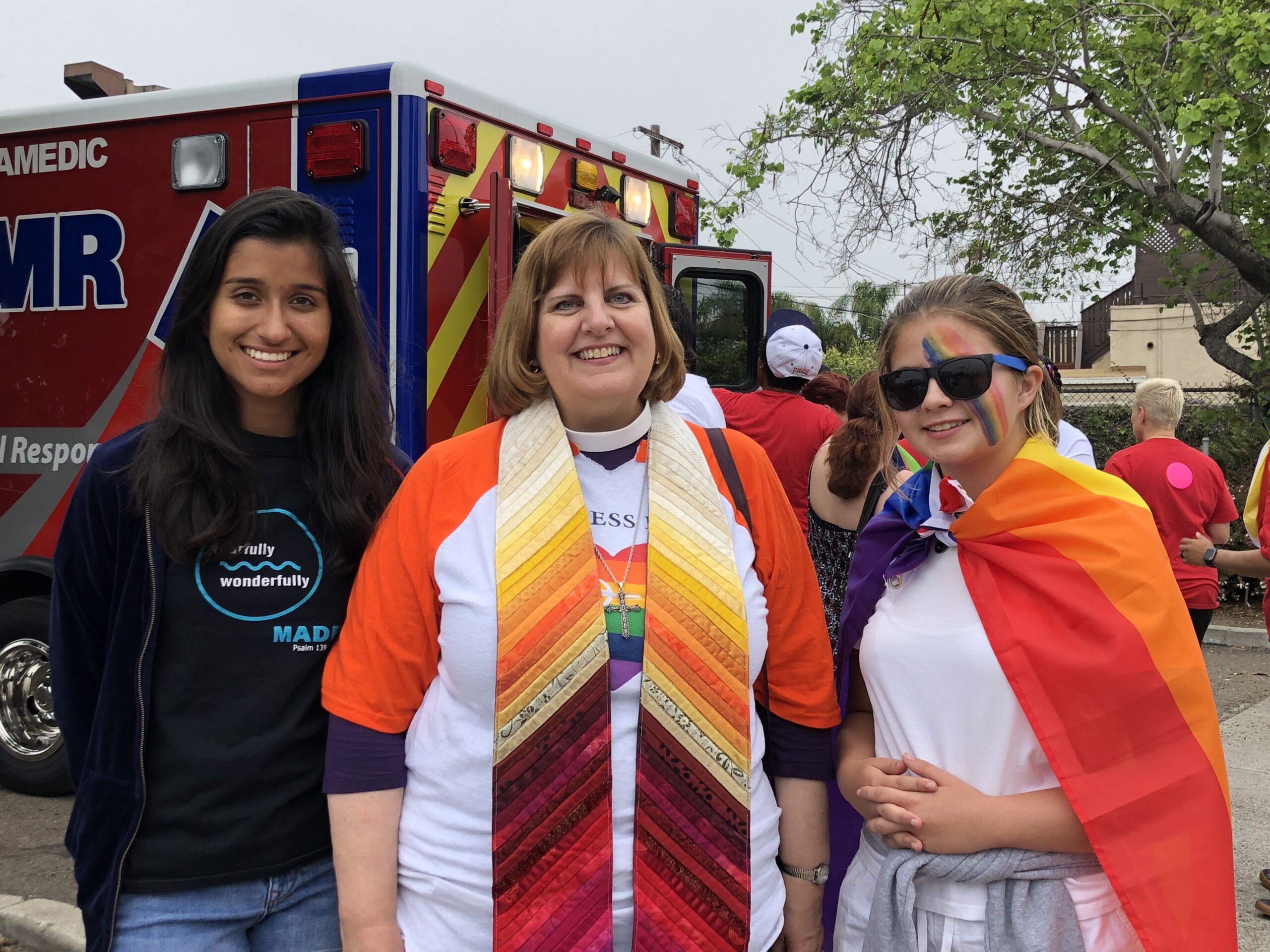 minority identities. I have even won an award for ‘queering religion’. The ministry I am most involved with at school is working through religious trauma, healing the harms dealt by Christians and other religious groups.
Religion, especially organized religion, has been used against the queer community for millennia. Stories and myths like the story of Sodom and Gomorrah have been used to excuse and encourage prejudice, discrimination, and even the murder of the queer community. My supposedly conflicting identities of being a queer trans person and being religious confound many around me. It breaks people’s brains, a bit. I often struggle with some of the things people will ask or say to me. “How do you feel about the fact that you’re going to hell?” is a favorite question someone’s asked me, because what was I even expected to say to such a thing? This confusion and pain I speak of, this feeling of never being religious enough or queer enough, that one identity detracted from the other, is exhausting. Queerness is not new, and being queer and religious is not new either. But when I meet fellow Episcopalians, I am reminded that queerness and religiosity are not contradictory, but just extenuating factors in my relationship with God.
Religion has done so much harm. Christians, particularly, have done so much harm. Yet I believe that religion can do good as well. It is a tool that can be used to harm or heal, and I choose to heal. As a Church, we have decided to heal.
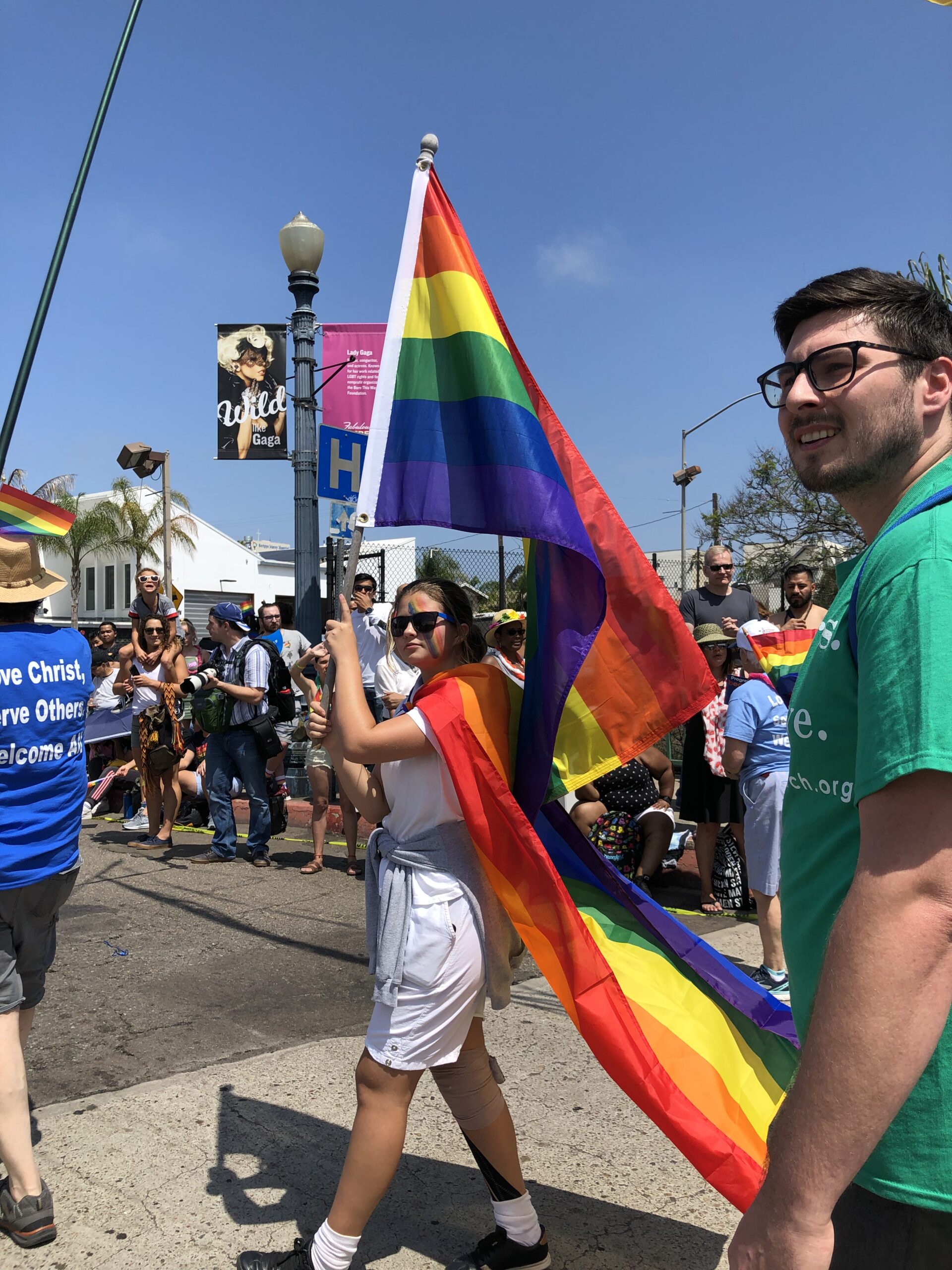 The Episcopal church’s acceptance and support of LGBTQ+ people matters more than any one person could realistically express. Personally, this support has saved my life, and the lives of many other queer people I have interacted with. On a theological level, our acceptance of queer people is important because when we reject queer folks, we act against God’s commandments, our baptismal covenants, and place ourselves in the authority of Christ to do something opposite of His teachings.
God’s nature cannot be truly appreciated without the beautiful diversity in the people God created in God’s own image. When we reject this diversity, we reject God. By accepting LGBTQ+ people, the Episcopal church realigns herself with God’s teachings. What does it mean for God’s nature, that God accepts queer people? I have been posed this question many times, and the easiest way to answer is that the inverse refutes God’s goodness. A God that makes people a particular way, something that hurts neither themselves or others, and then makes it sinful to be that way is a God who is unrighteous. Do we worship God because God is good, or because God is more powerful than us? My God, our God, is righteous, and has stood with the oppressed for millennia. Christ welcomes all to His table. I worship God because God is good. God created me and others like me the way God did to reveal a multitude of truths—that love can look different and be diverse and still be love, that oppression is a human creation and not the order of things, and, yes, that God is good.
by
Category: #Advocacy, #Communications
Respond to this:
4 replies to “God Calls Us Good”
Recent Stories
What do we hope the Episcopal Diocese of San Diego will look like five years from now? How might our congregations grow, our communities become stronger, and our neighbors experience […]
St. Luke’s has a new look- a mural of six Black saints on the front sidewalk of our church by artist Hue Love. It’s a hopeful offering of six of […]
On November 6 and 7, clergy and lay delegates from across the Episcopal Diocese of San Diego will gather at St. Bartholomew’s Episcopal Church in Poway for the 2026 Diocesan […]



Thank you, Hark, for this powerful witness and your deep faithfulness. I particularly loved your closing, “God created me and others like me the way God did to reveal a multitude of truths—that love can look different and be diverse and still be love, that oppression is a human creation and not the order of things, and, yes, that God is good.” God is good, and the Church is working on healing. Amen. Amen.
Dear Hank-
Thank you for sharing your very personal story. As an Ally for nearly thirty years, I’m glad you found us. Thank you for allowing us to walk with you, holding hands together, along your journey.
Love is Love
George Mulvey (he/him)
St Thomas of Canterbury, Temecula
Thank you, Hark, for sharing your story. Thanks be to God and those who encourage you to pursue where God is calling to you.
The Lord knows that we need you and we need each other.
Sudie Warren
Thank you for sharing your story Hark! I’m so glad you found the episcopal church and have been embraced and affirmed for the gift of a human that you are!