The Pilgrimage Begins: From San Diego to Hawaii

“For now we see only a reflection, as in a mirror, but then we will see face to face. Now I know only in part; then I will know fully, even as I have been fully known.” — 1 Corinthians 13:12
This summer, 15 young people from 10 congregations across the Episcopal Diocese of San Diego will travel to Hawaii for the Province VIII Talk Story Youth Pilgrimage. But the work of pilgrimage began long before they boarded the plane.
Over the past several months, these students have gathered to reflect on their own stories, learn about Hawaiian culture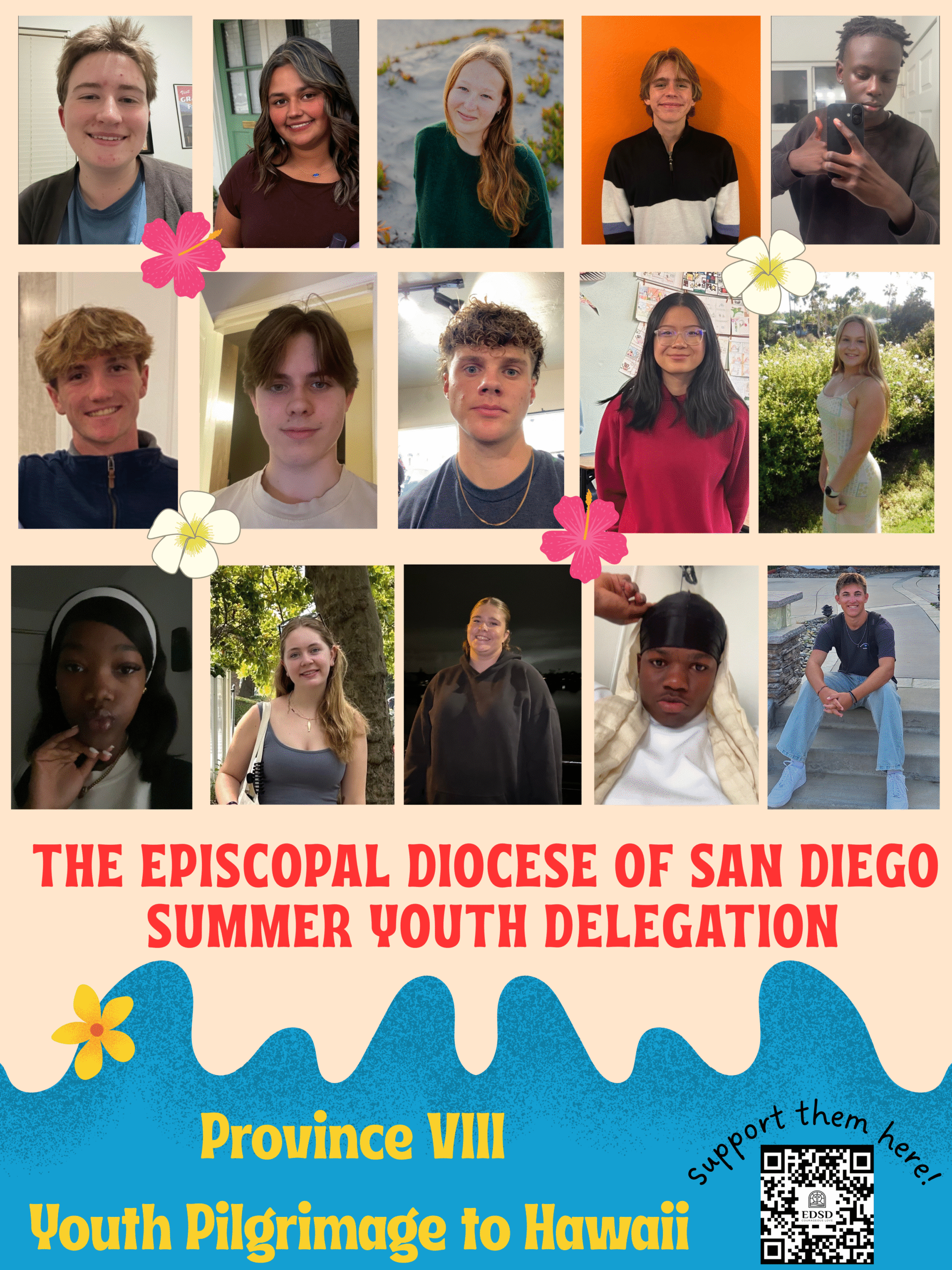 and history, raise funds together, and prepare to represent the Diocese of San Diego among young Episcopalians from across Province VIII.
The pilgrimage itself grew out of an unexpected challenge. When it became clear that there would be no Episcopal Youth Event (EYE) in 2026, EDSD’s Director of Formation, Charlette Preslar, and EDSD’s Children and Youth Missioner Leighton Jones began reaching out to dioceses across Province VIII. Together, they helped create an alternative gathering centered on the Hawaiian practice of “Talk Story”—a tradition of sharing stories, listening deeply, and building relationships through lived experience.
This July, 125 youth and adult leaders (33 adults) from 12 Province VIII dioceses in Hawaii, Taiwan, Arizona, Navajoland, Utah, Oregon, Washington, California, Nevada, and Idaho (63% of Province VIII) will gather to learn from one another and from the communities that call Hawaii home.
In 1 Corinthians, Paul reminds us that none of us sees the whole picture. We understand only part of God’s creation until we encounter others and their stories. That scripture directs our pilgrimage’s guiding themes: indigenous history and culture, immigration, faith, and leadership.
Native Hawaiian traditions teach the value of mālama–the sacred responsibility to care for and protect people, places, and traditions. Mālama is still a living practice for many Native Hawaiians today. It shapes how communities care for the land, preserve cultural heritage, strengthen relationships, and honor their responsibility to future generations. Our youth will be invited to consider what it means to belong to a place, to care for the creation in that place, and to understand stewardship as a relationship. This may be their first opportunity to encounter a culture that emphasizes deep relationship with land, community, ancestors, and future generations.
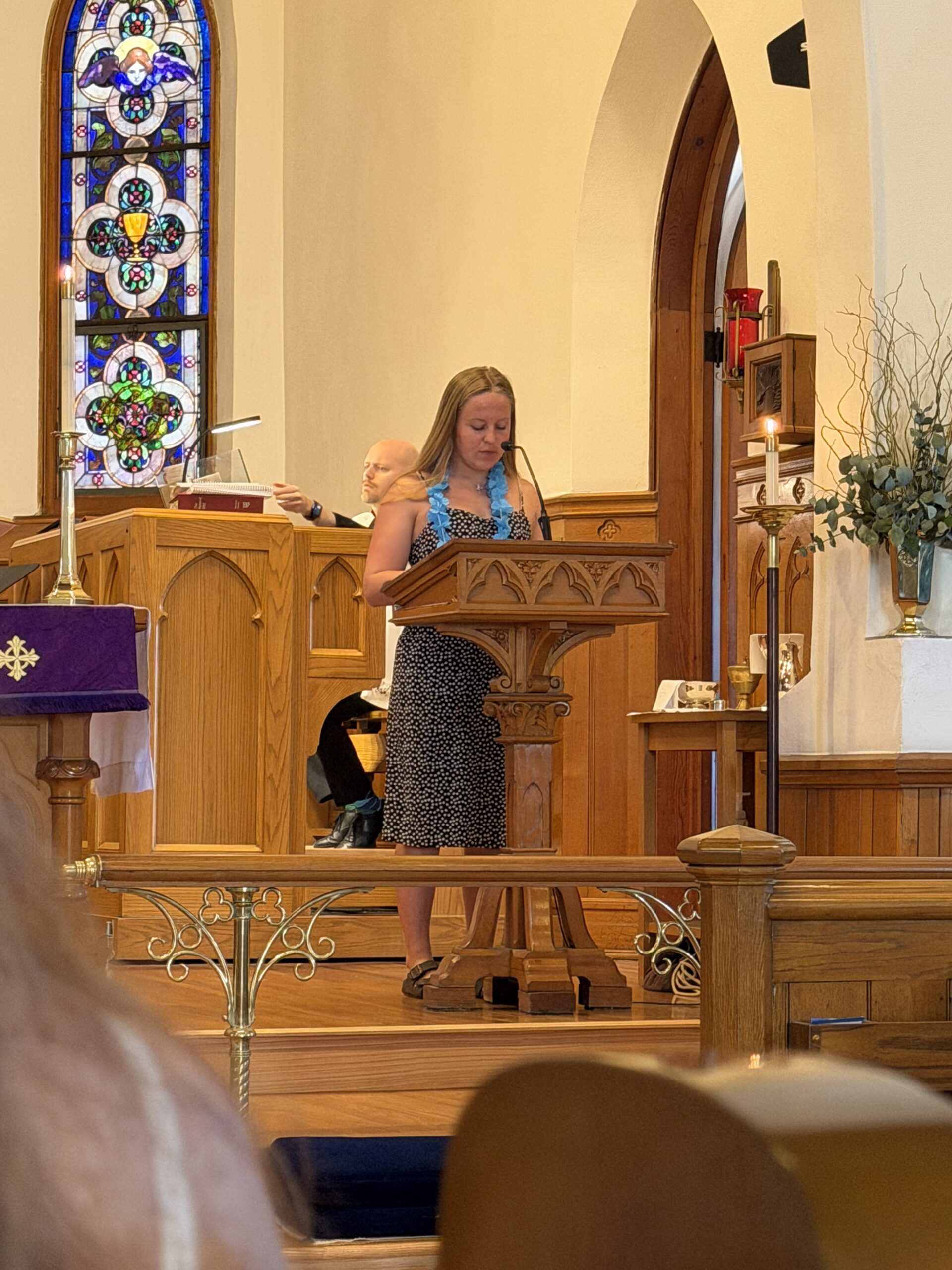 Students will learn how Native Hawaiian communities have preserved language, culture, music, dance, and identity through generations of change and challenge. These stories of resilience offer powerful lessons about memory, faithfulness, and community.
This is not tourism. It is pilgrimage. Most of us encounter Hawaii through beautiful beaches, resorts, luaus, and stunning landscapes. Those things are real, but they are only part of the story. Our pilgrims seek to understand the people who call Hawaii home, the history that shapes the islands, and the challenges communities face today. Pilgrimage invites our students to arrive as guests. It teaches our youth to listen before speaking, to approach another culture with humility, and to recognize that transformation comes through relationship rather than consumption.
The delegation will also explore Hawaii’s history of immigration. Through visits to cultural and civic sites, students will learn how generations of people from around the world helped shape the islands and continue to contribute to Hawaii’s unique identity; conversations that are especially meaningful for the Episcopal Diocese of San Diego. As a border-diocese, EDSD knows that migration is not simply a topic in a textbook; it is the lives of our neighbors, congregations, and families.
In preparation for the pilgrimage, students have spent time reflecting on who they are, where they come from, and the communities that have shaped them. Many of the students are most excited about the relationships they will build.
Jack from St. James by-the-Sea looks forward to meeting young people from other dioceses and working alongside them. Mikey, also from St. James, is excited to connect with people he would likely never meet otherwise.
Katie from St. Thomas hopes to learn more about indigenous Hawaiian culture. Caden from Christ Church Coronado is eager to explore Hawaiian history. Steven from St. Luke’s looks forward to experiencing Hawaiian culture firsthand.
Others are excited by the opportunity to encounter something entirely new. Thomas from St. Margaret’s will be visiting Hawaii for the first time. Rose from St. Luke’s is looking forward to meeting new people and experiencing the beauty of the islands.
What stands out in these reflections is that very few students talk about vacation. Instead, they talk about people, culture, learning, and connection. In many ways, they are already pilgrims.
We have rallied around these young leaders. Delegates and adult leaders have participated in five fundraising events throughout the diocese, written support letters, shared announcements in congregations, and practiced telling the story of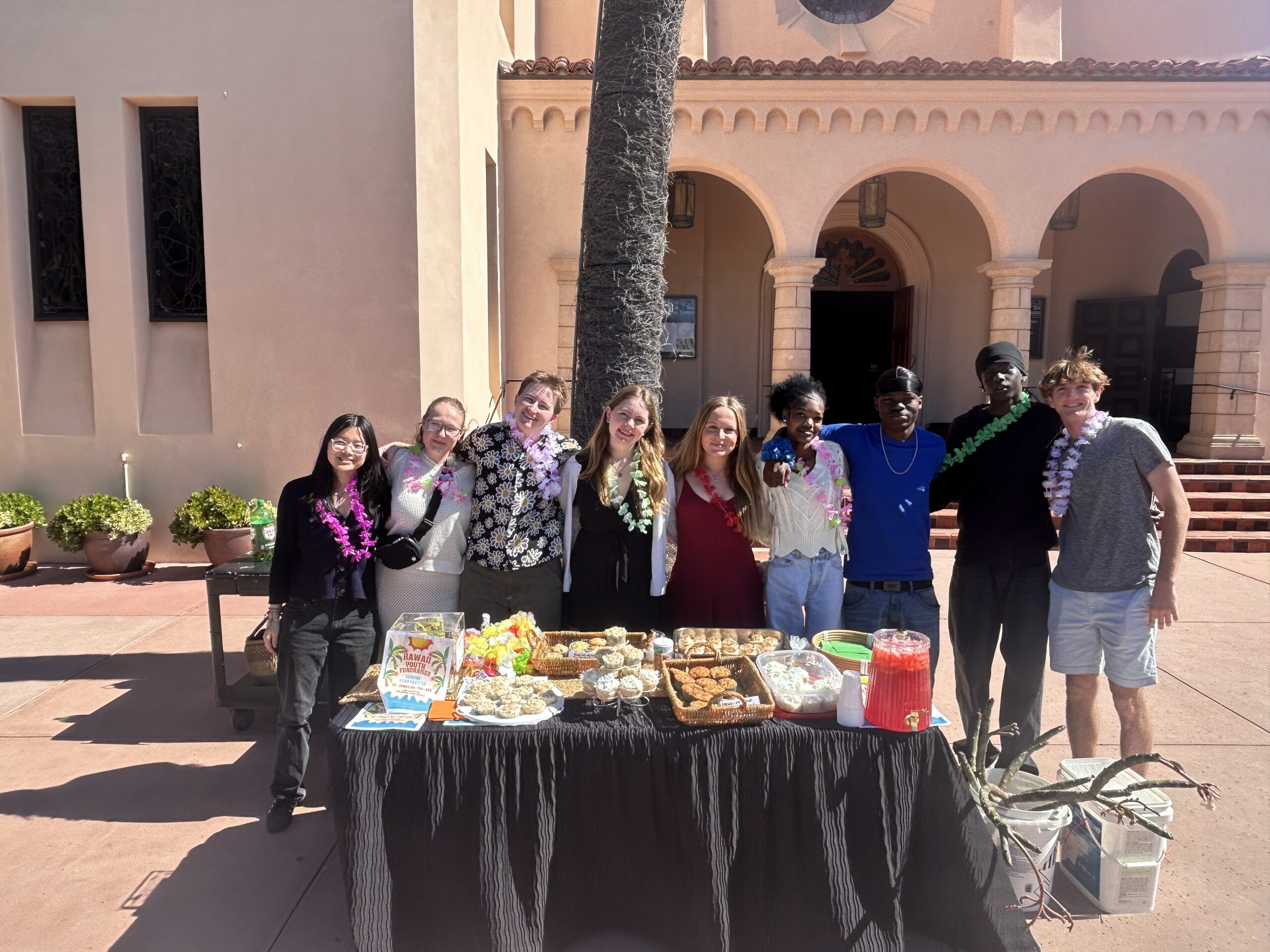 this pilgrimage wherever they go.
But an important need remains.
The Province VIII Talk Story Youth Pilgrimage has applied for a grant from The Episcopal Church as an alternative to EYE. If received, those funds will help underwrite the costs of programming on the pilgrimage, not the costs for individual participants. At the same time, airline ticket prices have risen by more than $300 per person since planning began, creating thousands of dollars in unexpected expenses for the delegation.
These young people have already done the hard work of preparation. They have reflected, learned, fundraised, and committed themselves to representing our diocese well.
Now they need our help.
This pilgrimage is about more than a week in Hawaii. It is about forming Christian leaders. It is about learning how to listen deeply. It is about understanding cultures and histories beyond our own. It is about building relationships across the Church and discovering how God is present in communities different from our own. Most of all, it is about returning home changed.
If you are able, please consider making a gift to support the EDSD delegation. Your support will help ensure that these young pilgrims can participate fully in an experience that will shape their faith and leadership for years to come.
And please keep them in your prayers.