How We Treat People Online Matters
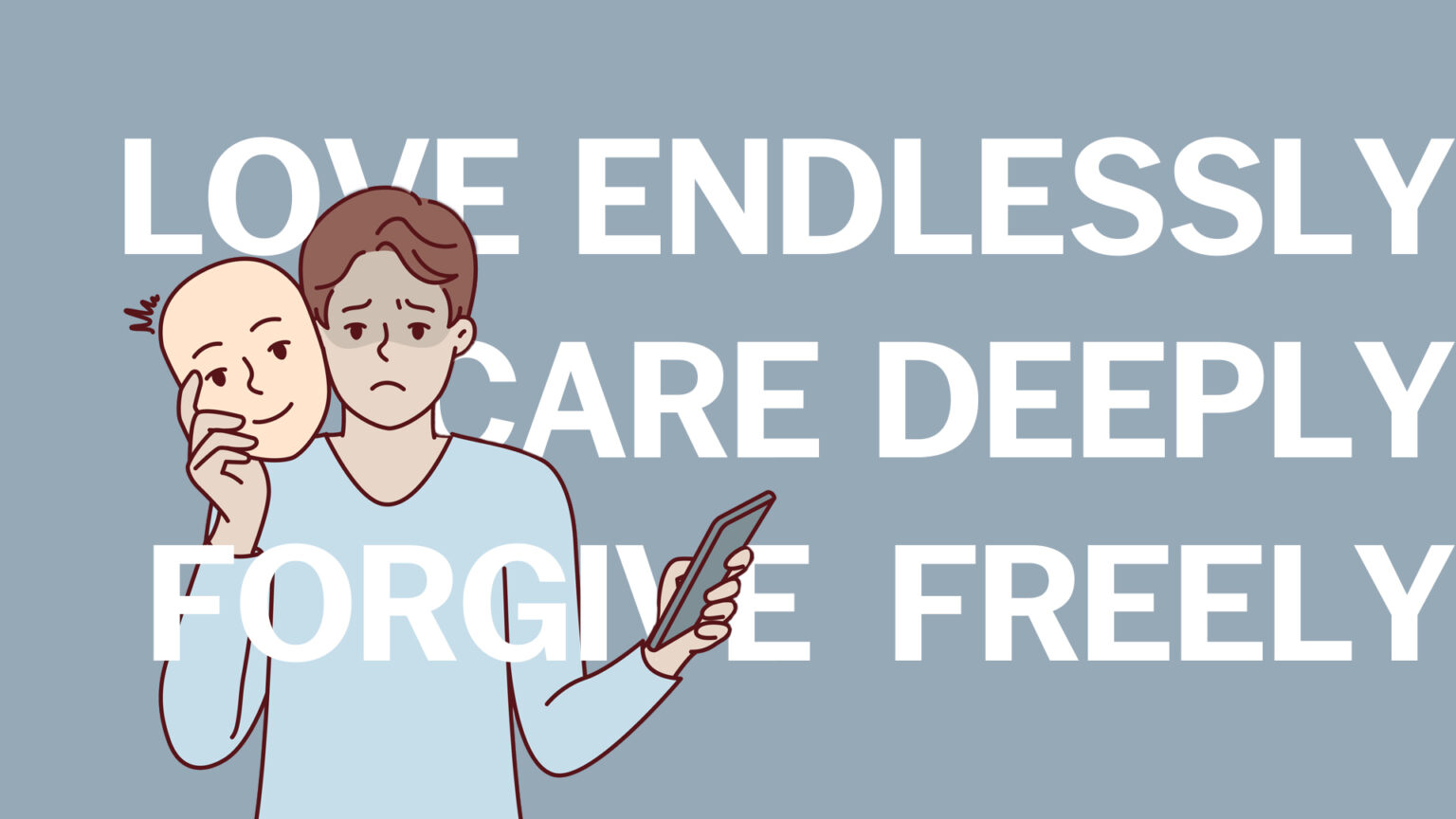
I spend a lot of time online. Probably too much.
Part of that comes with working in communications, but most of it comes from living in the 21st century. There is no avoiding the internet. My days are filled with headlines, social media posts, comment sections, breaking news alerts, emails, videos, analytics, and an endless stream of memes competing for my attention. Some days, the world can start to feel strangely detached–almost artificial.
Maybe that’s why ideas like “we’re living in a simulation” resonate with so many young people right now. For some, it’s a joke. For others, a philosophical thought experiment. But beneath the memes and internet humor is something deeper: a growing feeling that modern life no longer feels fully real.
Today, we encounter human beings not in neighborhoods or around dinner tables, but as profile pictures, in comment sections, and in short clips moving rapidly past us on smartphones. We experience wars through 90-second Facebook Reels. Grief through thoughts and prayers headlines. Politics through algorithms designed to divide.
And over time, something dangerous happens. People begin to feel less real. This is why how we treat people online matters. Because people are real.
At the center of our faith is the Incarnation–the belief that God became flesh in Jesus Christ. Not content. Flesh. Our faith refuses to let human beings become disposable symbols or entertainment. Every person deserves dignity because every person is made in the image of God. Including (and maybe sometimes especially) the person in the comments section.
This is hard. Social media platforms are designed to keep our attention, and few things capture attention more effectively than outrage, fear, humiliation, and conflict. The internet rewards us with the exact opposite approach. Maybe you’ve heard of the term “rage-bait.” The louder the reaction, the more rage it evokes, the greater the engagement a post receives.
Brian Knutson, a professor of psychology and neuroscience at Stanford’s School of Humanities and Sciences, has repeatedly found that emotionally charged, negative content spreads farther and faster on social media than calm or nuanced conversation. In his 2024 Stanford study analyzing nearly 30 million social media posts, he concluded that “negative, highly arousing stories get the most traffic.”
This likely isn’t news to you. We all know the dangers of social media, and in many cases, we feel personally immune. “I’m just observing the outrage online, not absorbing it.” “I can handle the noise online. It doesn’t change how I think or feel.” But we’re not immune. We are psychologically programmed to react to emotionally charged content. It affects every one of us.
Over time, these spaces can begin shaping us spiritually. We become quicker to assume the worst about people. Become more comfortable mocking strangers. Become more eager to “win” than to understand. It literally begins to shape us.
But as Christians, we are called to be shaped by Christ.
The way we communicate online is not separate from discipleship. We do not stop following Jesus when we open Facebook, post on Instagram, reply on Nextdoor, or correct someone in a comment thread. In many ways, the internet has become one of the primary places where we practice our values publicly.
And people notice. They notice when we are cruel. They notice when we pile onto public humiliation. They notice when anger and outrage become our primary witness to the world. But they also notice patience. Compassion. Restraint. Grace. Curiosity. They notice when someone refuses to dehumanize another person, even in disagreement.
In a digital world that makes it easy to treat people like abstractions, we are called to remember something profoundly simple: people are not content. They are beloved children of God. And how we treat people online matters.
So what can we do to be better online?
Intentionally share good news.
If the internet amplifies fear, anger, and division because those emotions drive engagement, we can resist by intentionally sharing stories of hope, compassion, reconciliation, beauty, service, and community. Share where you see God at work. Celebrate kindness. Lift up healing instead of outrage.
Engage with what gives life.
Every click, comment, share, and reaction teaches algorithms what to amplify. When we consistently engage with outrage, we help outrage spread. Choosing to engage with thoughtful, hopeful, and compassionate content is one small but meaningful way to shape the digital spaces around us.
Tell stories that restore humanity.
One of the Church’s great gifts is storytelling. We tell stories of resurrection, mercy, forgiveness, courage, and belonging. Sharing stories of real people, real struggles, and real hope reminds the world (and ourselves) that goodness still exists, and God is among us.
Curate your attention intentionally.
Algorithms learn from what holds our attention, not just what we “like.” If we spend large amounts of time consuming fear, conflict, and humiliation, platforms will continue feeding us more of the same. Unfollow accounts that constantly leave you angry or cynical. Seek out voices that encourage wisdom, compassion, creativity, faith, learning, and community instead.
Slow down before engaging.
Social media is designed to reward immediate emotional reaction. But every rushed comment, angry share, or impulsive response teaches the algorithm what kind of content keeps us engaged. Choosing to pause before reacting can reshape both our feeds and our hearts. Over time, intentional engagement creates a healthier digital environment for ourselves and for others.
Here are a few of my favorite creators with good news to share:
Faith to Go Podcast
Faith to Go is a weekly podcast and online ministry from the Episcopal Diocese of San Diego that explores the upcoming Sunday Gospel through conversation, reflection, and everyday life. Hosted by Charlette Preslar and David Tremaine, the ministry creates an accessible and thoughtful space where listeners can ask questions and reflect on where they see God at work in the world. You can listen to Faith to Go on any podcast platform, but to make it easy, find the podcast on Spotify or Apple Podcasts.
Father Brews
Fr. Albert Garong, known online as “Father Brews,” is a Catholic priest and barista from the Philippines whose ministry blends coffee culture, short homilies, humor, and reflections on faith. His videos often use coffee-making as a metaphor for spiritual life, discipleship, and grace, creating approachable and deeply human moments of evangelism online. You can find him here on Facebook and Instagram
The Rev. Tim Yanni
The Rev. Tim Yanni is an Episcopal priest whose content combines humor, pastoral reflections, storytelling, and thoughtful commentary about faith and daily life. His reels often balance lighthearted internet culture with grounded spiritual insight, making Christian witness feel approachable, compassionate, and authentic online. You can find him here on Facebook and Instagram
The Rev. Joseph Yoo
The Rev. Joseph Yoo is an Episcopal priest whose online ministry combines pastoral reflection, humor, storytelling, and thoughtful engagement with faith and culture. His content often focuses on grace, belonging, emotional honesty, and the challenges of modern discipleship, presented in a way that feels approachable and deeply human. Through reels, reflections, and conversations, he models a style of online Christian presence rooted less in outrage and certainty and more in curiosity, compassion, and authenticity. You can find him here on Facebook and Instagram
…and of course, subscribe and share the EDSD News! edsd.org/subscribe