From Alaska to Tijuana: Comunidad de Luz Helps an Alaskan Family
On February 19, 2026, EDSD became aware of a mother and her three children, ages 5, 16, and 18, who were taken into the U.S. immigration system in Soldotna, Alaska. The mother and the 5 and 16-year-olds were quickly flown thousands of miles south to San Diego and deported to Tijuana, Mexico. The rapid sequence of events left the family and friends disoriented and frightened. The mother was separated from her 18-year-old son, who remains detained. What followed is a powerful story of connection across dioceses, borders, and ministries–a reminder of how faith communities can respond when vulnerable people suddenly find themselves bereft.
The family’s deportation sparked vigils in Alaska, but for the mother and children, the most immediate needs were simple and urgent: where would they sleep, and how would they navigate an unfamiliar city?
Rev. Paige Blair-Hubert, rector of St. Peter’s Episcopal Church in Del Mar, contacted The Rev. Michael Burke, rector of St. Mary’s Episcopal Church in Anchorage, after seeing his social media post about the family. Rev. Paige then reached out to Robert Vivar, the EDSD Migration Missioner, who found the family and offered support.
Burke and Blair-Hubert share more than professional ties; they went through the ordination process together. St. Mary’s Anchorage was Rev. Paige’s sponsoring parish for ordination and remains the congregation where her stepmother worships. Their connection made communication direct and immediate.
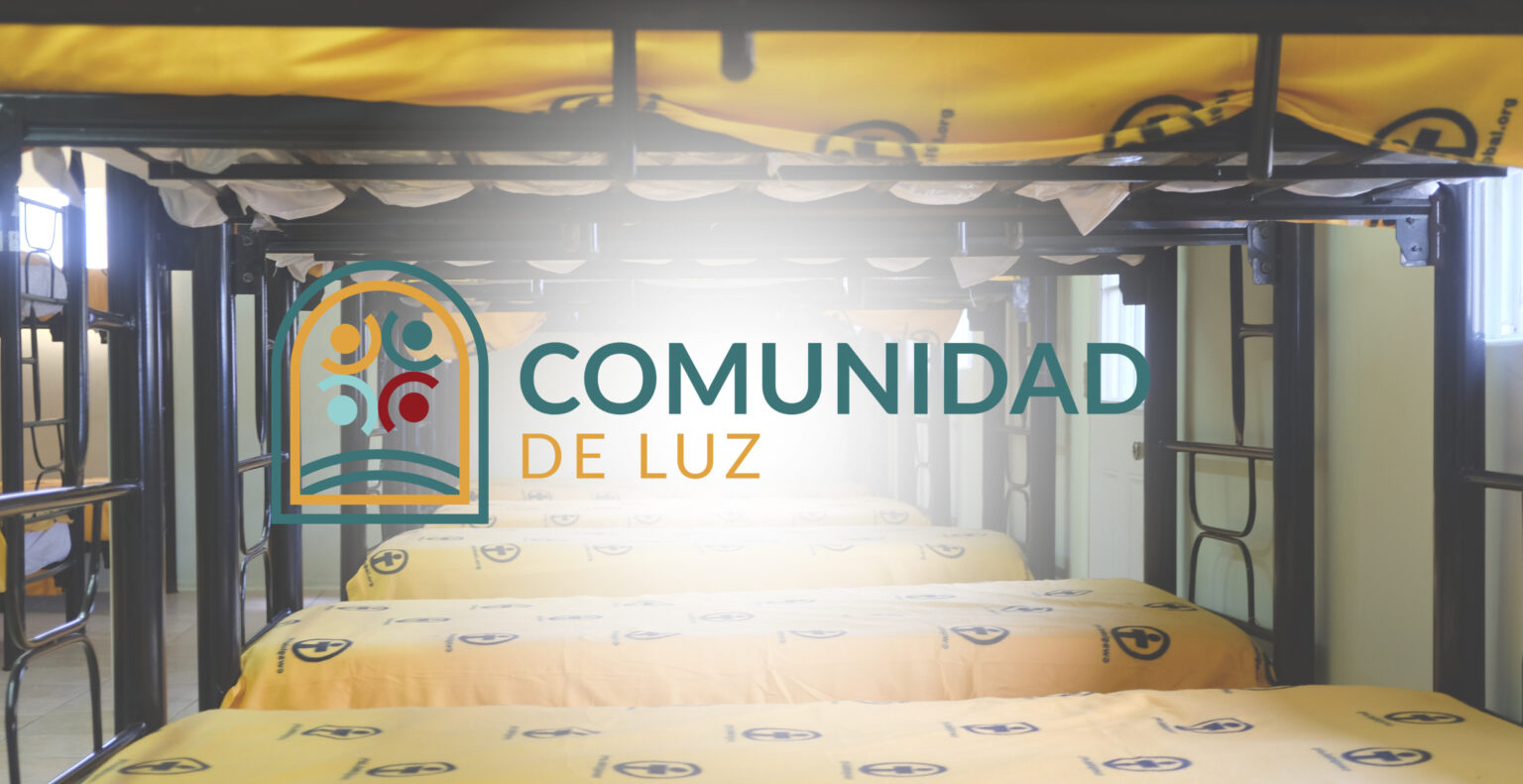
Within hours of the family’s arrival in Tijuana, arrangements were made for them to be received at Comunidad de Luz, a shelter for migrant women and children supported in part by the Episcopal Diocese of San Diego. The shelter provides temporary housing, meals, and access to educational and vocational resources in a structured and stable setting.
The family only stayed at Comunidad de Luz for a few hours, but it gave them the time to connect with their attorney and continue on to join extended family members farther south in Mexico. During their brief stay, they were provided food, shelter, and assistance with the next steps.
Robert Vivar, EDSD Migration Missioner and Interim Executive Director of Comunidad de Luz, said, “While we didn’t host this family for long, we were happy to provide a welcome to a country that feels foreign. When you get deported, it is like being a fish out of water–even your home country feels strange. Comunidad de Luz was honored to welcome them. We want to make people feel welcome. We are here to show that people care and to give comfort.”
While the mother and two younger children were settling into safety, their 18-year-old son remained detained in Alaska. A Spanish-speaking priest visited him to reassure him that his family was safe and receiving care.
Rev. Paige said, “That together we could be the Body of Christ and work to offer grace to this dear family… it gives me hope.”
The response drew appreciation from church leaders in Alaska as well. Bishop Mark Lattime contacted Bishop Susan Brown Snook to express gratitude for the assistance provided. In an email to Comunidad de Luz leadership, Bishop Susan shared, “Bishop Lattime said that in the difficulty they are facing, the fact that there was someone available who could immediately find them, help them, and show the face of Christ to them means the world.” She added that the diocese remains available if additional support is needed and expressed gratitude for those involved in receiving the family.
We are called to care for the vulnerable–the widow, the orphan, and the foreigner. Jesus identifies, over and over, with those on the margins–telling his followers that whenever they welcome the stranger, feed the hungry, or clothe the naked, they welcome him.
For Episcopalians, this is not abstract theology. It is a lived practice.
The Episcopal Diocese of San Diego and Comunidad de Luz continue to serve as a place of refuge for migrant women and children who arrive in Tijuana with limited resources and limited options. In this case, clergy relationships spanning across the globe enabled a rapid response during a moment of uncertainty.
The family’s time at the shelter was brief, but it provided stability during a critical transition.
Visit www.comunidaddeluz.org to learn more about Comunidad de Luz or support this vital ministry.