Evangelism: Consortium for Congregational Vitality
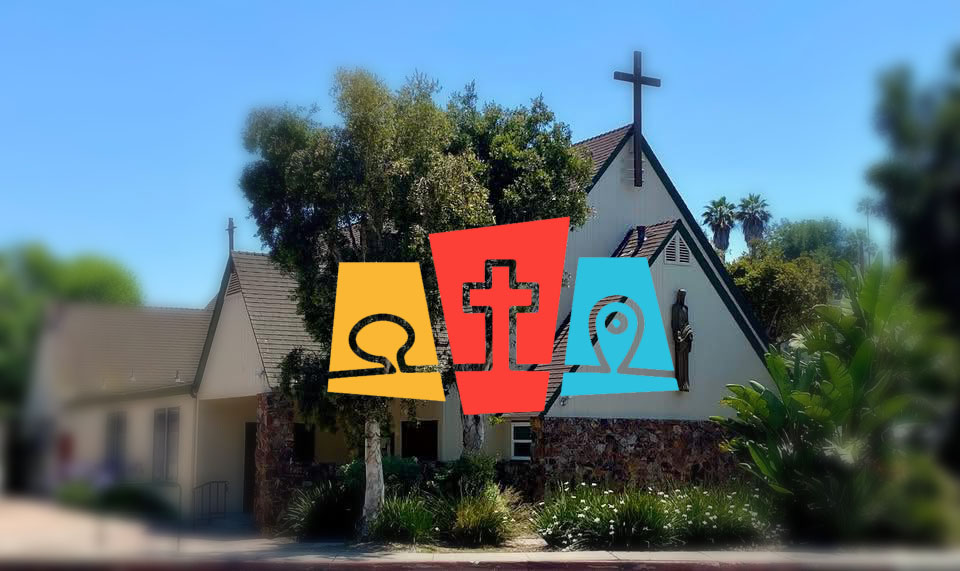
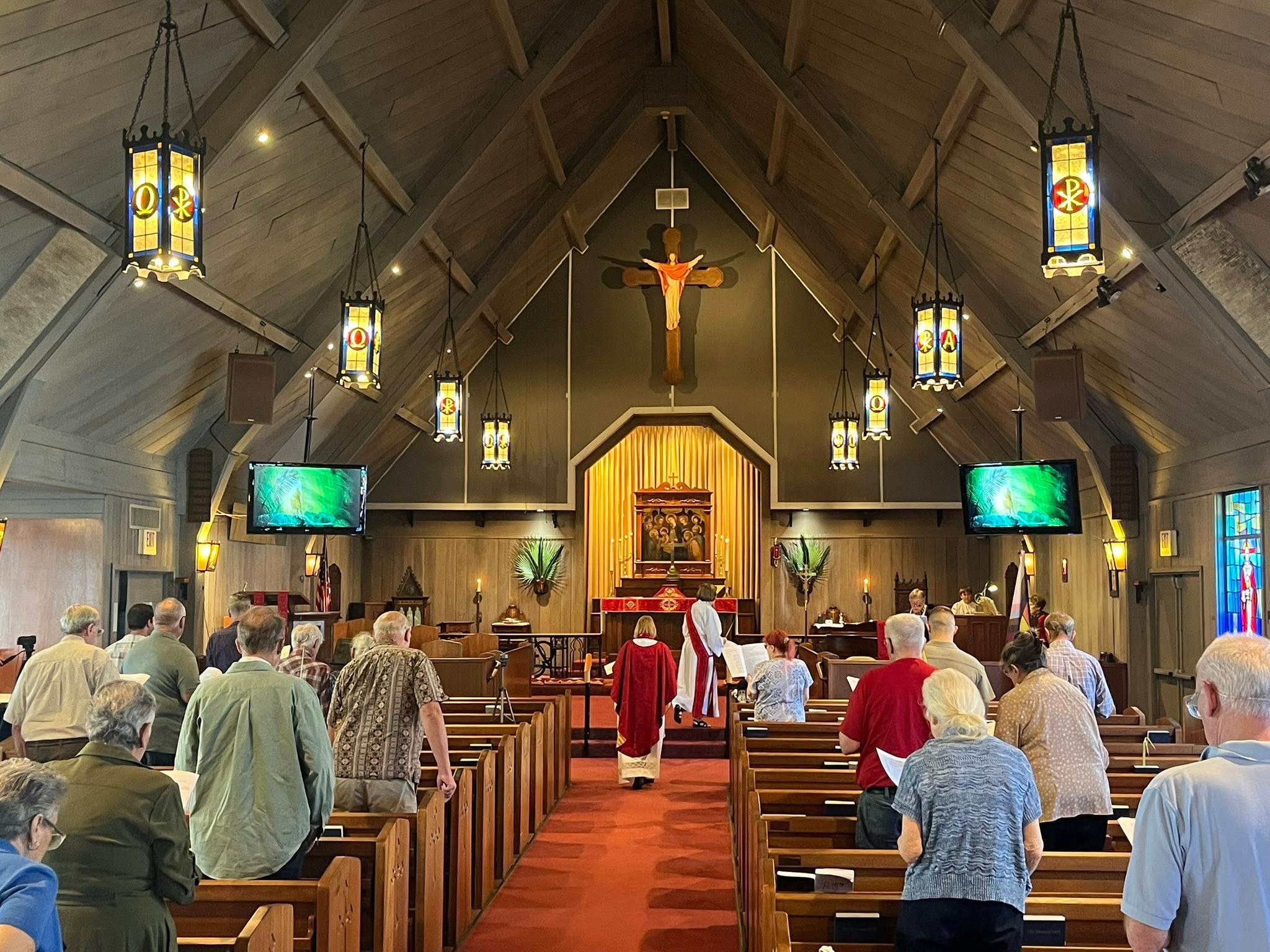
On Sundays, I worship at All Saints’ Episcopal Church in Vista. We gather over coffee, check in on one another, welcome visitors, and share stories from our week. Friends who have attended for years check in with one another, and newcomers are quickly overrun with handshakes, and many find that they, too, belong. It is what I love most about our church: the genuine care people have for one another and the sense that no one has to navigate life alone.
But I’ve been asking questions about the future. “ How do we remain relevant in a changing world? How can we continue to grow? How do we share Jesus with our neighbors? How do we welcome new people effectively?” I’m not worried that All Saints’ will disappear, but I do wonder how we could share what makes our church special with people who may not even know we exist.
 Those questions led me to participate in the Consortium for Congregational Vitality.
The Consortium for Congregational Vitality brought together three congregations from across the Diocese of San Diego for a season of learning, collaboration, and reflection. What I appreciated most was that it wasn’t focused on finding a quick fix. Instead, it encouraged us to think deeply about discipleship, communication, and evangelism, and how those things connect to the long-term vitality of our congregation.
One of my biggest surprises was how much my understanding of evangelism changed. Before the Consortium, I thought of evangelism as essentially outreach. I knew it was important, but the word itself sometimes felt “icky.” Like many people, I associated evangelism with convincing others that we have all the right answers.
But during the Consortium, something clicked.
I began to understand that evangelism is really about relationships. It’s about sharing what God is doing in my life and in our congregation. It’s about invitation rather than recruitment. Once I started thinking about evangelism as sharing the Good News of Christ through storytelling, hospitality, and authenticity, it felt much more natural.
Canon Jason Evans, one of our teachers, helped me understand that evangelism looks different for different people, and that all of us can participate in it through hospitality, listening, storytelling, service, and relationship-building. That was one of the most meaningful takeaways; it helped me see evangelism as something much broader and more personal than I had previously understood.
That changed the way I think about our congregation. We already have so much to offer. We have meaningful worship, strong ministries, opportunities for spiritual growth, and a community where people are welcomed, valued, and supported. We offer weekly Spiritual Formation classes, a monthly Celtic Evensong service, and a monthly Taizé service that creates space for prayer and reflection. Most of all, we offer a place where people can ask questions, seek God, and find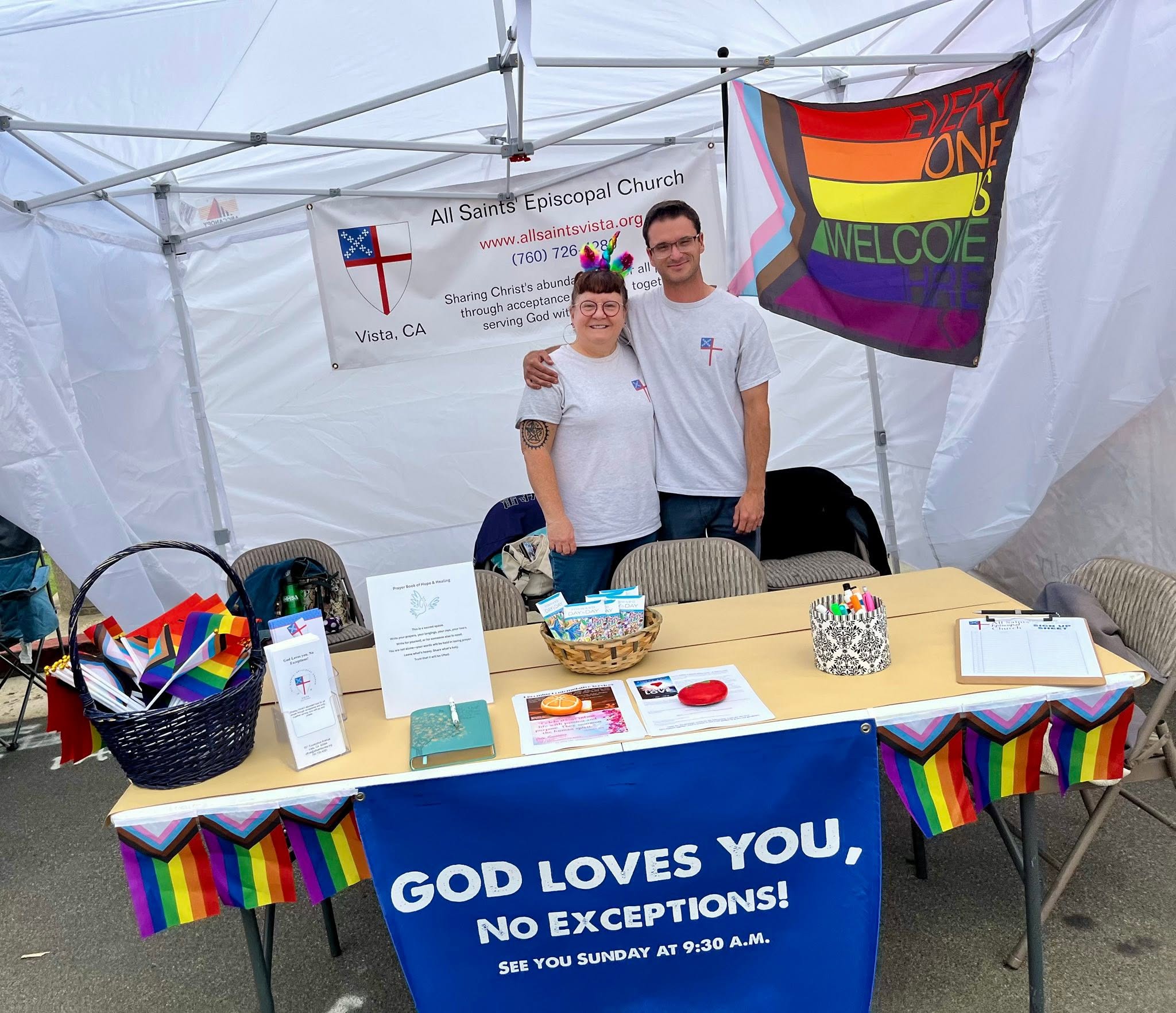 community.
The challenge wasn’t becoming something different. The challenge was learning how to share our story more intentionally.
Due to our work with the Consortium, we’ve already begun implementing practical ideas. We’ve created volunteer job descriptions, developed invitation cards, and started conversations about how we welcome children and families. We’ve also spent time thinking about communication and social media, recognizing that many people will encounter our church online long before they ever walk through our doors. Additionally, the Consortium has helped us develop a clearer vision for the future as we explore options for building on our property through the Diocese’s Mission Real Estate program. It has helped us think about how best to serve our community in the years ahead.
What gives me the most hope is realizing that growth doesn’t require us to change who we are. It requires us to become more confident in sharing who we already are.
I was also deeply encouraged by the relationships that formed among the congregations participating in the Consortium. Hearing about their challenges and successes reminded me that we are not alone. By the end of the process, it felt less like three churches attending the same program and more like partners encouraging one another toward a common goal.
Most importantly, the experience gave me hope. It reminded me that revitalization is not about fixing something broken. It is about nurturing and strengthening what is already alive. The Consortium helped me recognize the gifts All Saints’ already possesses and gave me confidence that, with intentionality and faith, those gifts can continue to grow.
Now, when I think about the future of my church, I don’t simply hope that All Saints’ survives. I hope we continue to thrive. I pray we become known throughout Vista as a place of hospitality, compassion, spiritual growth, and genuine community. And I know that as we continue sharing our story, others will discover what so many of us have already found here: a church that feels like family.