Episcopal Communicators: The Ministry Beneath the Work
There are some weeks that feel larger once they are over. You move through them in real time–checking schedules, welcoming guests, solving problems, teaching classes, finding coffee, making introductions, hoping microphones work–and only afterward do you realize something meaningful happened. That is how I felt after the Episcopal Communicators Conference in San Diego.
Communicators from across the country (and even a couple from Europe) came to San Diego to learn about writing, photography, video, AI, strategy, formation, leadership, storytelling, and more. But what many of us discovered was deeper than professional development. Together, we were reminded how deep the ministry of communications truly goes.
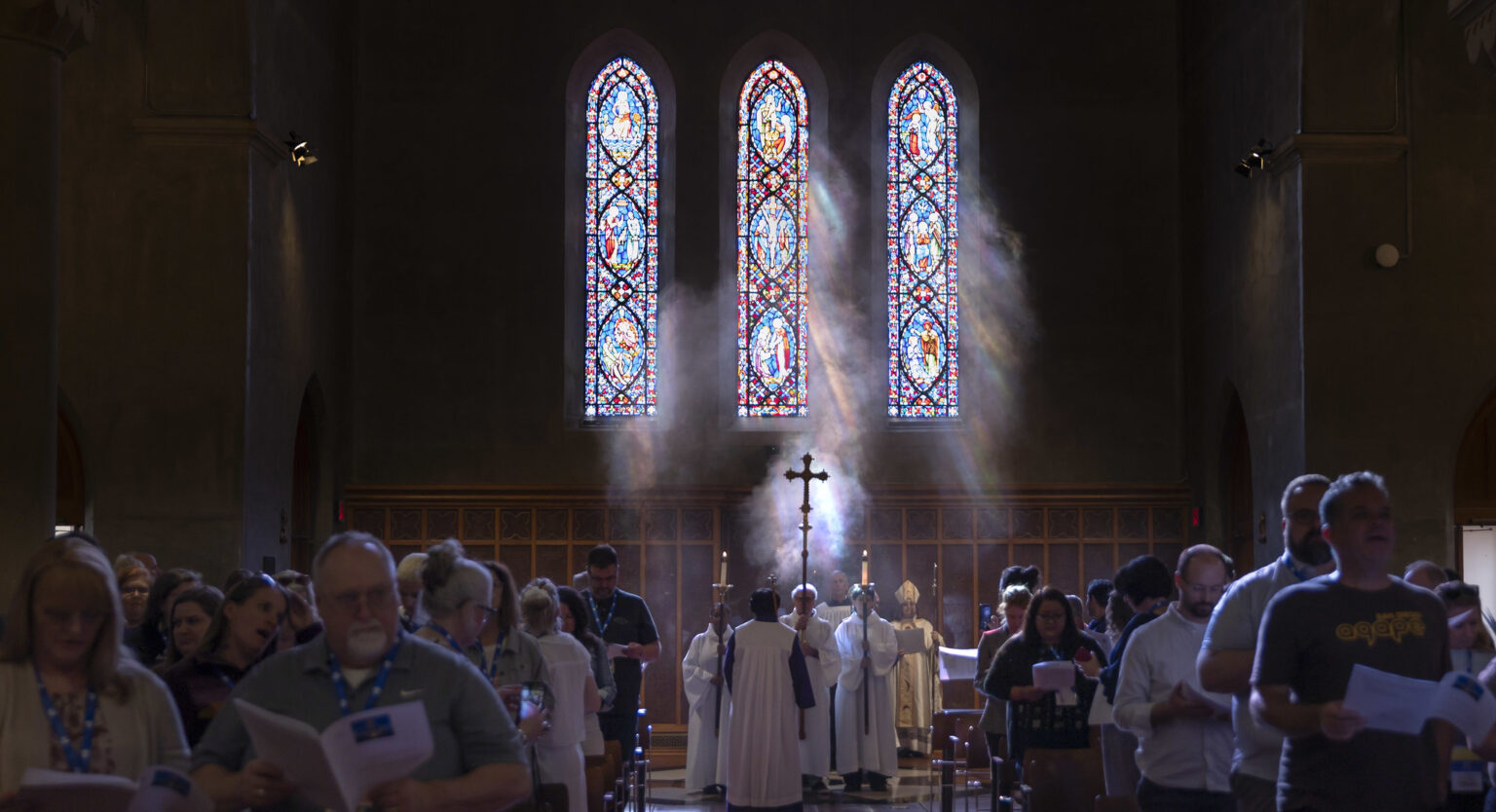
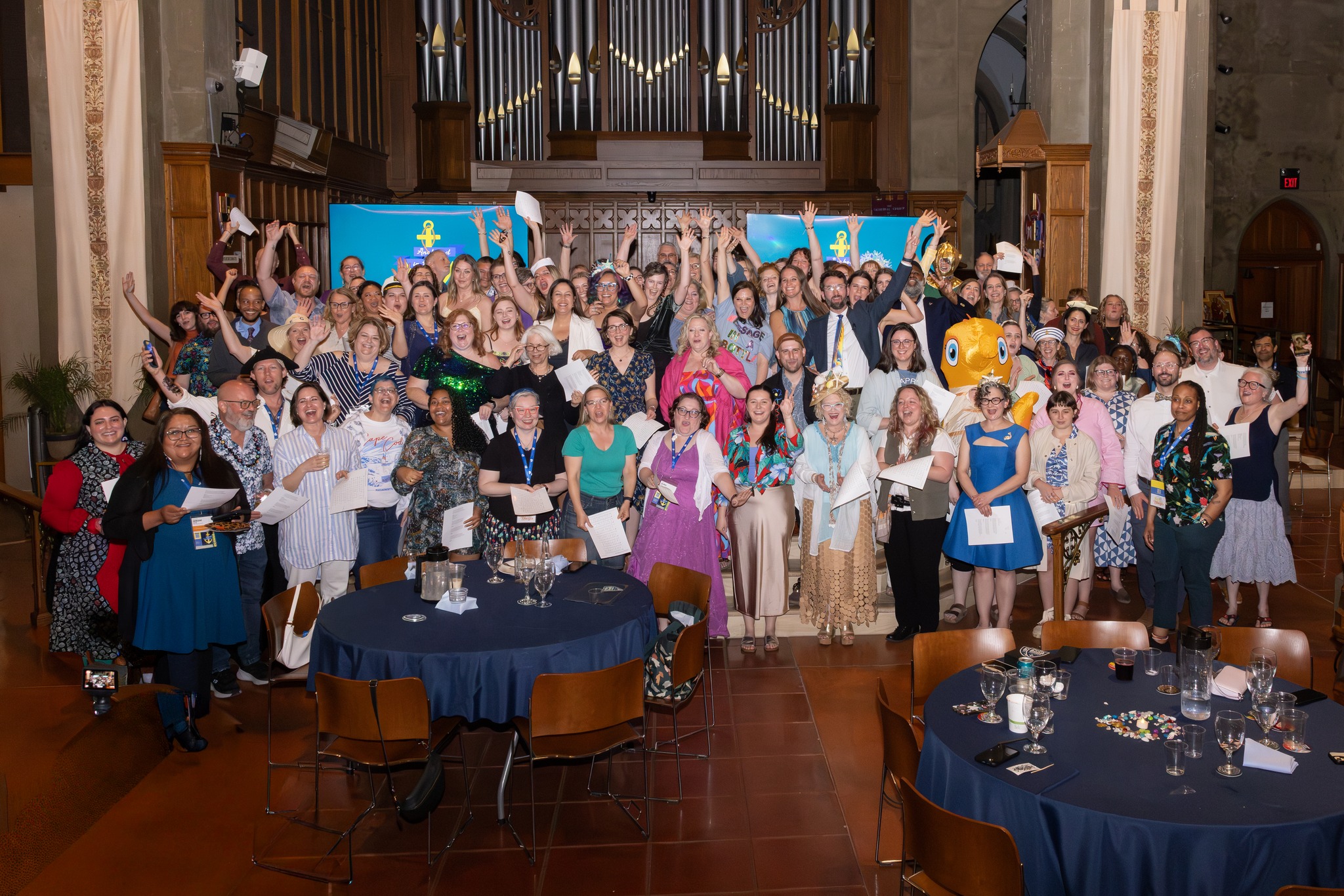
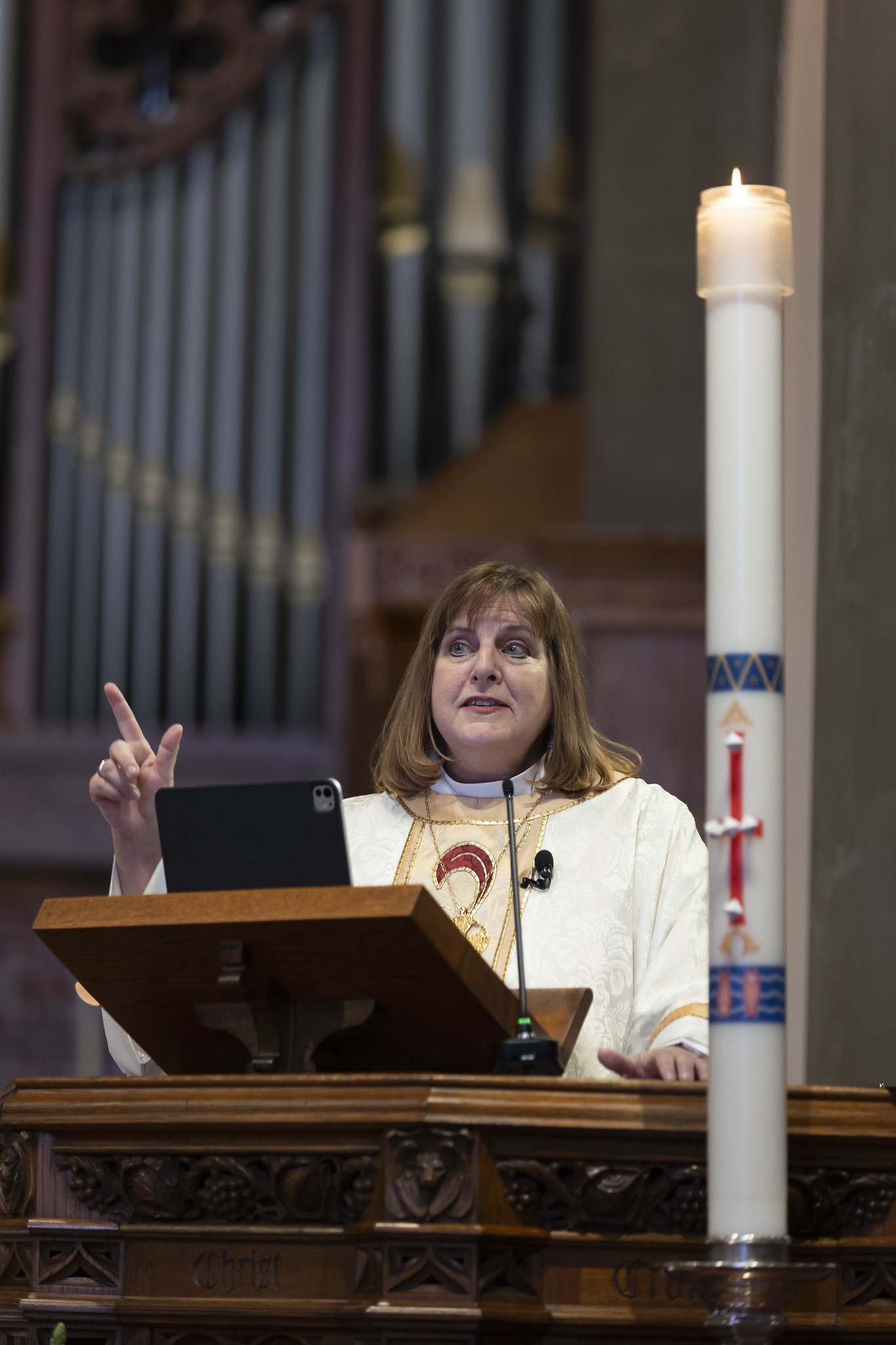 The week began at St. Paul’s Episcopal Cathedral, where about 150 communicators were welcomed for the opening Eucharist led by Bishop Susan Brown Snook. It was a perfect beginning. Before workshops, before panels, before awards, before scanning QR codes and karaoke sessions, we were gathered as a community of Christians in worship.
In her sermon, Bishop Susan named what many of us already feel: a tangible weight. Today, we live in a world where grief seems louder than joy. She said, “These days, reading the news of our world feels like one bell tolling after another.” But despair does not have the final word, “I believe with all my heart that our Episcopal Church has good news to share. The best news…That good news makes you agents of hope in a time of despair…And hope is the message of Easter.”
In a communications role, it is easy to forget about hope in our work. We spend our time buried in headlines, crises, deadlines, corrections, and urgent requests. It is easy to feel that our work is simply tactical: send the email, fix the typo, crop the image, rewrite the headline, update the website, post the announcement. But Bishop Susan reminded us that communication in the Church is not transactional. It is ministry.
 She reframed communication as a sacred movement from information to transformation. On the road to Emmaus, the travelers had already heard the news, but news alone had not changed them. They knew the facts, yet they were still walking in grief until Christ met them, opened the story, and set their hearts burning. Communicators are called to help people recognize Christ already walking beside them.
The next morning, The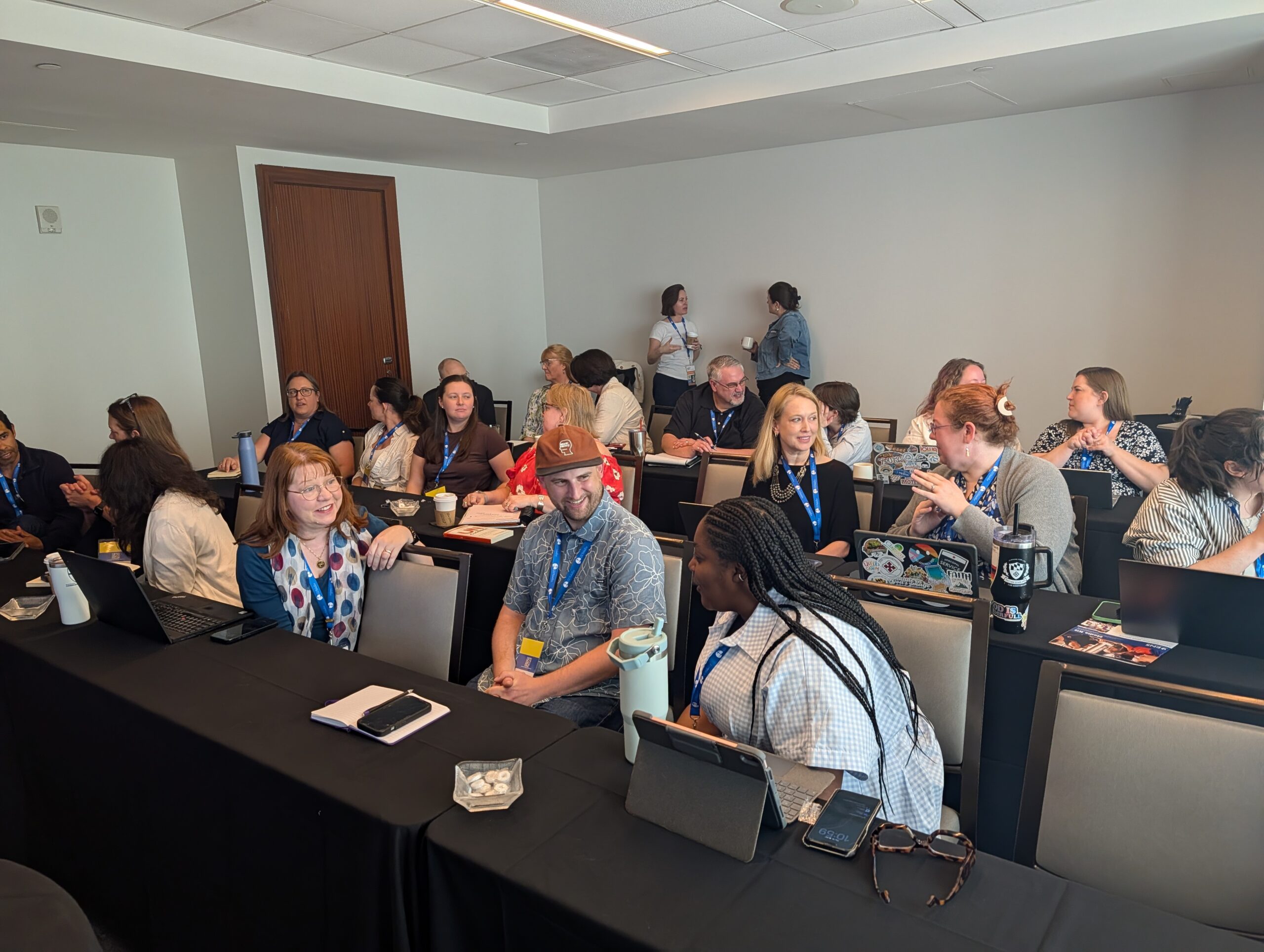 Rev. Lauren Winner, Associate Professor of Christian Spirituality at Duke Divinity School and the vicar of St. Joseph’s Episcopal Church in Durham, North Carolina, delivered the first keynote and gave us one of the most memorable ideas of the conference: the newsletter is a new “Genre of the Church.” It is the new epistle. (This was strangely freeing for me.) She helped us imagine Paul writing to the Christians scattered across the Mediterranean, sending letters of guidance, and connecting it to how I quietly labor over newsletters that feel mundane and often invisible–wondering if anyone is listening. But Rev. Winner reframed the newsletter as a descendant of the letters that sustained
  the early Church. A way of showing the road to Christ.
And here in San Diego, we take the path to Christ seriously. The Episcopal Diocese of San Diego did not just host this conference; we helped lead it. Of 24 workshops and pre-conference offerings, and two keynotes, 11 were led by people connected to the Episcopal Diocese of San Diego. This makes me incredibly proud of my diocese. I’m moved that people came to San Diego and encountered not only our city, but also our wisdom, our creativity, our faithfulness, our care-filled witness, and our lived ministry. They saw that the Church here is real and doing the work of Christ in our region.
Communicators from across the globe heard about affordable housing rising from church land. They heard about accompaniment at court. They learned about hospitality and care for women and children across the border. They experienced a church plant in Ocean Beach that values belonging and beauty. They engaged leaders who care deeply about formation, ethics, systems, story, and evangelism. They saw the face of Jesus here.
In short, we showed what EDSD is about–Courageous Love.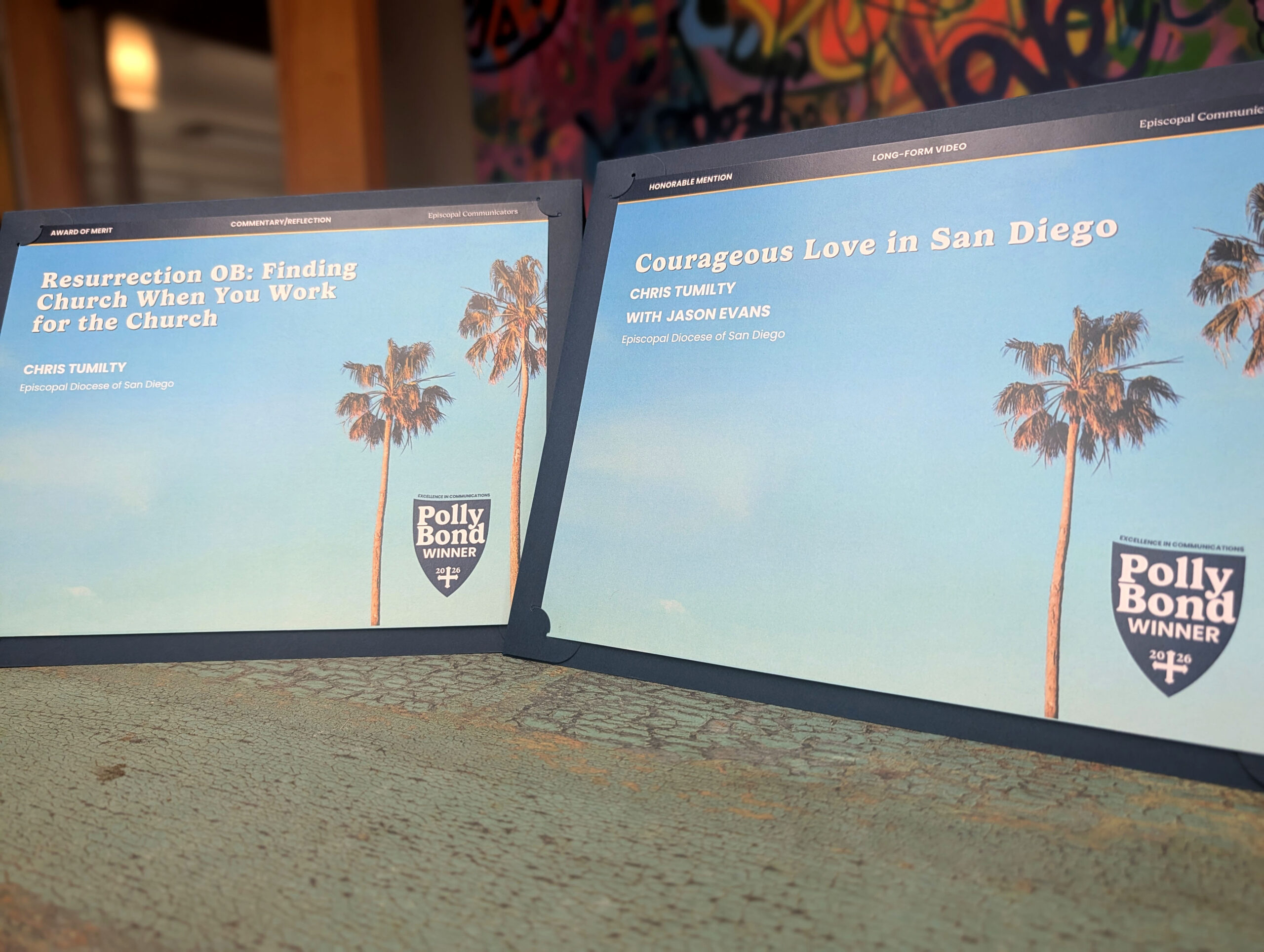
For me, personally, the week carried another layer of gratitude. At the Polly Bond Awards–held during a seated dinner in the nave of the Cathedral, the Episcopal Communicators’ version of the Academy Awards–I received two recognitions: an Honorable Mention for Long Form Video and an Award of Merit for Commentary/Reflection.
Both mean a great deal to me. But the writing award was deeper.
To be recognized by a room full of peers who are storytellers, writers, editors, and people who spend their lives trying to find the right word, the honest phrase, the sentence that opens a heart, felt profoundly affirming. I often feel that communications work is invisible, but writing is incredibly personal. Writing carries judgment, care, theology, and craft. It asks something of the soul.
 To receive an Award of Merit for Best Reflection felt like confirmation that my care for this work matters.
In fact, that was the thread running through the whole conference: care matters. Care in the words we choose and the tone we set; in the systems we build; in our designs, where beauty, clarity, and accessibility help people feel welcomed. Care in how we invite people into community and deeper faith, and how we sustain the people doing this work, remembering that communicators are not machines but human beings called to serve with their whole selves.
The Episcopal Communicators came together to talk about communications, but we left remembering that communications in the life of the Church is never only communications. It is helping people know there is room for them. It is showing where God is alive and active in the world. It is shaping hearts and imaginations over time. It is offering courage to weary people and communities. It is telling the truth and lifting voices too often unheard. It is sharing the Good News of Jesus Christ with clarity and joy. And in a world so often marked by anxiety and division, it is hope.
Thank you to those from EDSD who helped make this happen:
- Robert Vivar (EDSD Migration Missioner) led the preconference border immersion to Comunidad de Luz in Mexico.
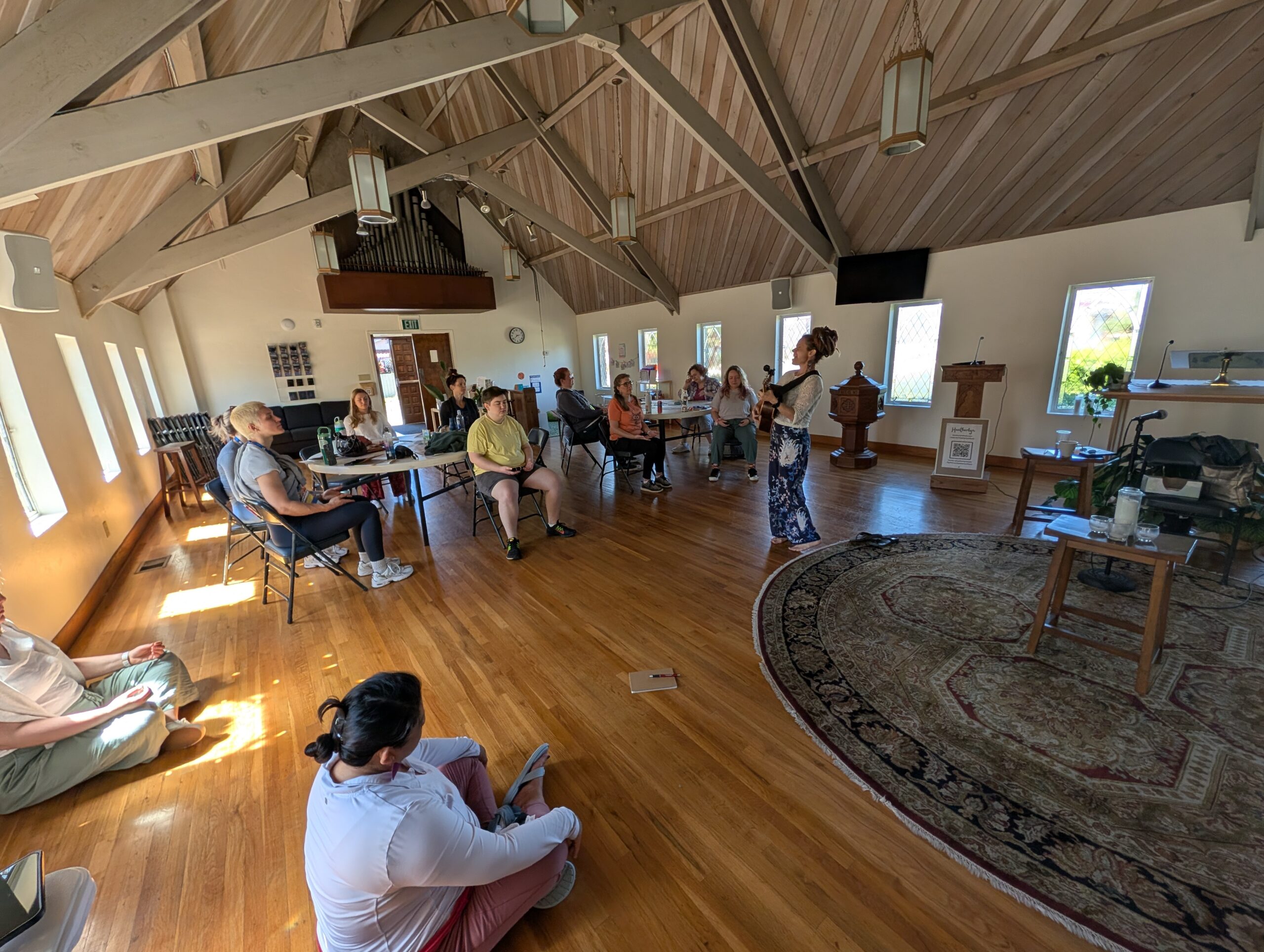
- Heatherlyn (Resident Musician at Resurrection OB) led a day-long wellness lab at Resurrection Ocean Beach on self-care and renewal.
- Charlette Preslar (EDSD Director of Formation) taught two sessions on formation: Creating Media for Formation and Working with Christian Ed Teams.
- I, Chris Tumilty (Director of Communications), taught a session on photography, video, and design. I also co-led an affinity group workshop for diocesan communicators.
- Bishop Susan Brown Snook and I taught together on working with clergy and leadership.
- Adrienne Wilkerson (ECS) taught two sessions: Discovering Your Brand Identity and Content Planning.
- Canon Jason Evans (Canon to the Ordinary for Mission) moderated the Ethics of AI panel.
- John McAteer and Lorenzo Nericcio (EDSD parishioners) served on the AI panel.
- John Fenastil (Boarder Church leader) taught a class on communicating across languages and cultures.
- The Rev. Richard Hogue (Associate at St. Paul’s Cathedral) anchored the spiritual life of the week and led an affinity group workshop for parish communicators.
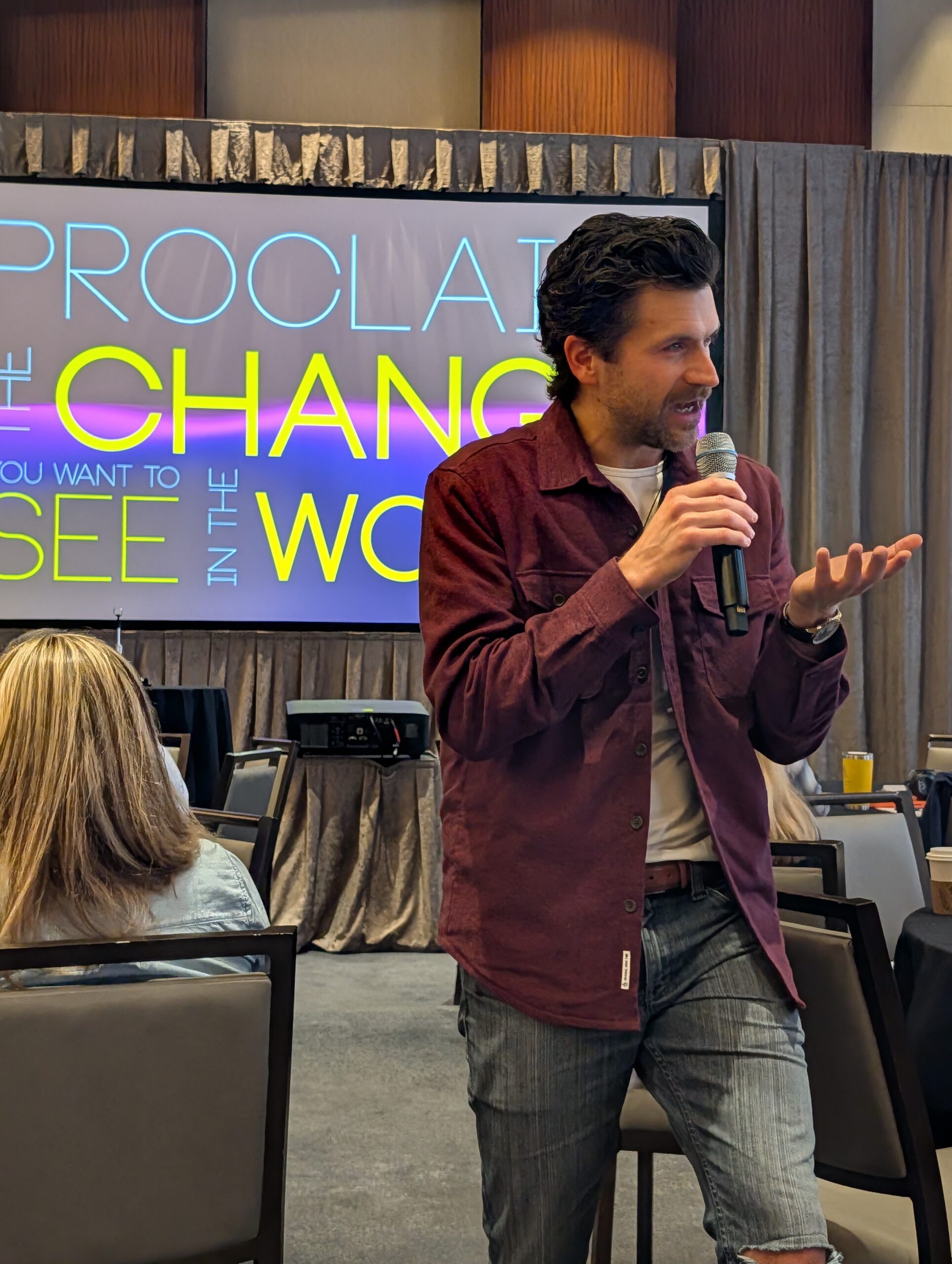
- Colby Martin (parishioner at Resurrection Ocean Beach) gave a rousing keynote.
- Greg Tuttle (EDSD Campus Missioner), along with Mario Chavarrio-Newhouse and Luca Delaney, students from Agape San Diego Campus Ministry, hosted the mocktail bar at the Poly Bonds Awards.
- The Cathedral Staff, especially the Rev. Brooks Mason, Jen Jow, Stacey Harper, Mark Sanzi, and Ty Cayatineto, who fielded request after request with a smile and grace.
- Susan Forsburg (Diocesan and Cathedral Photographer), who took amazing photos of the opening Eucharist and reception.